Should You Restore an Inherited Watch?
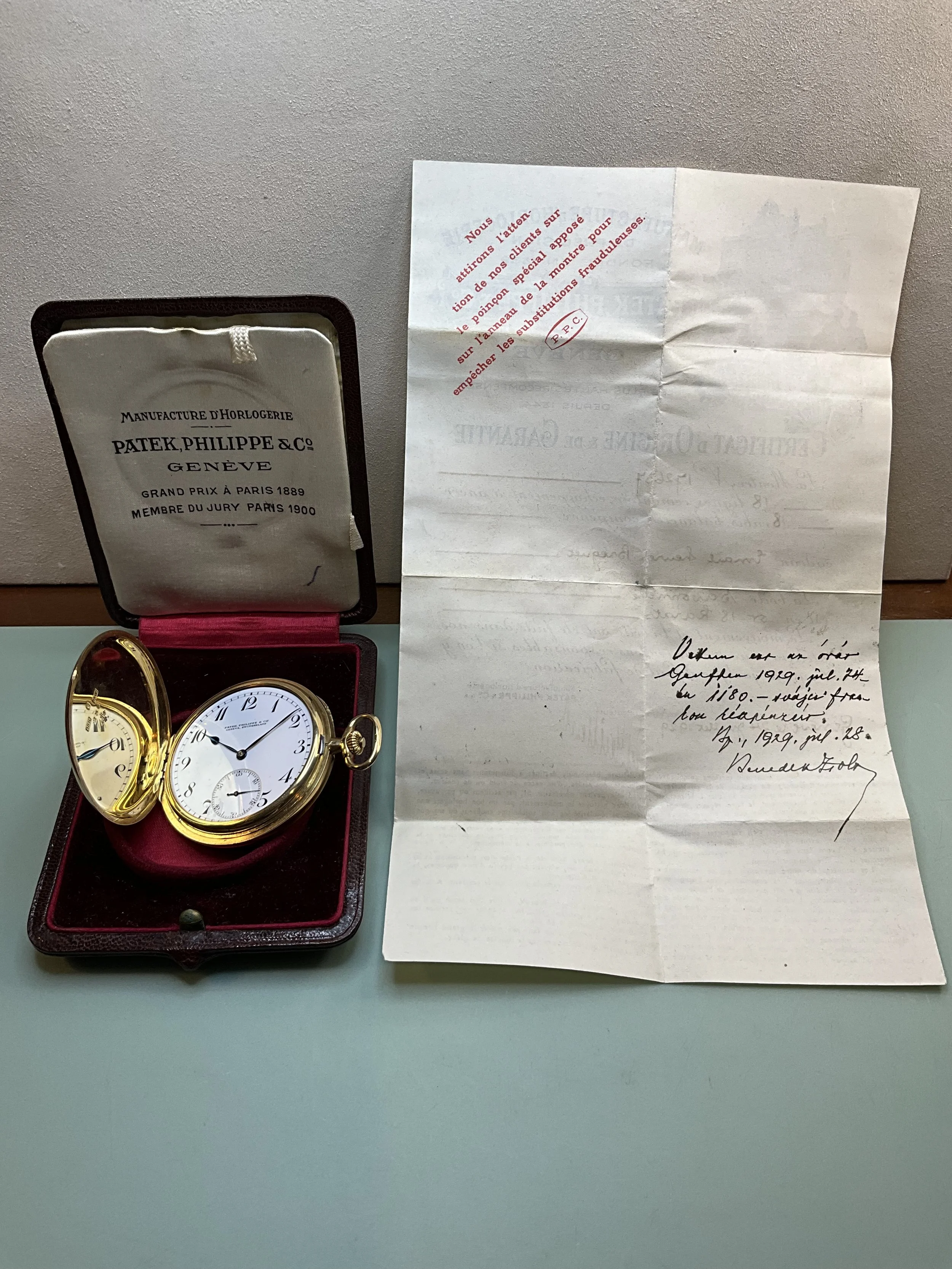
One of the most common questions I receive is whether an inherited watch should be restored. Sometimes it’s a pocket watch from a great-grandparent, sometimes it’s a wristwatch that sat in a drawer for decades after a family member passed away. In nearly every case, the watch carries some combination of sentimental, historical, or financial importance.
The answer is rarely straightforward. Before deciding whether to restore a watch, it’s important to understand what restoration actually means, what risks are involved, and what your personal goals are for the watch long term.
Service vs Restoration
The terms “service” and “restoration” are often used interchangeably, but they are very different things.
A service, sometimes called an overhaul, generally refers to disassembling the movement, cleaning it, repairing or replacing worn components as needed, lubricating the movement properly, and regulating it for reliable operation. In most cases, the goal of a service is functional reliability while preserving as much originality as possible.
A restoration is broader in scope. Restoration may include significant cosmetic work intended to return the watch as closely as possible to original or “like new” condition. This can include:
case refinishing
dial restoration
fabrication of missing or damaged parts
replacement hands or crystals
repairing heavily worn movements
correcting previous poor repairs
extensive cosmetic or structural work
Some watches justify a full restoration. Others are better preserved with minimal intervention. In many cases, doing less is the better decision.
Originality Matters
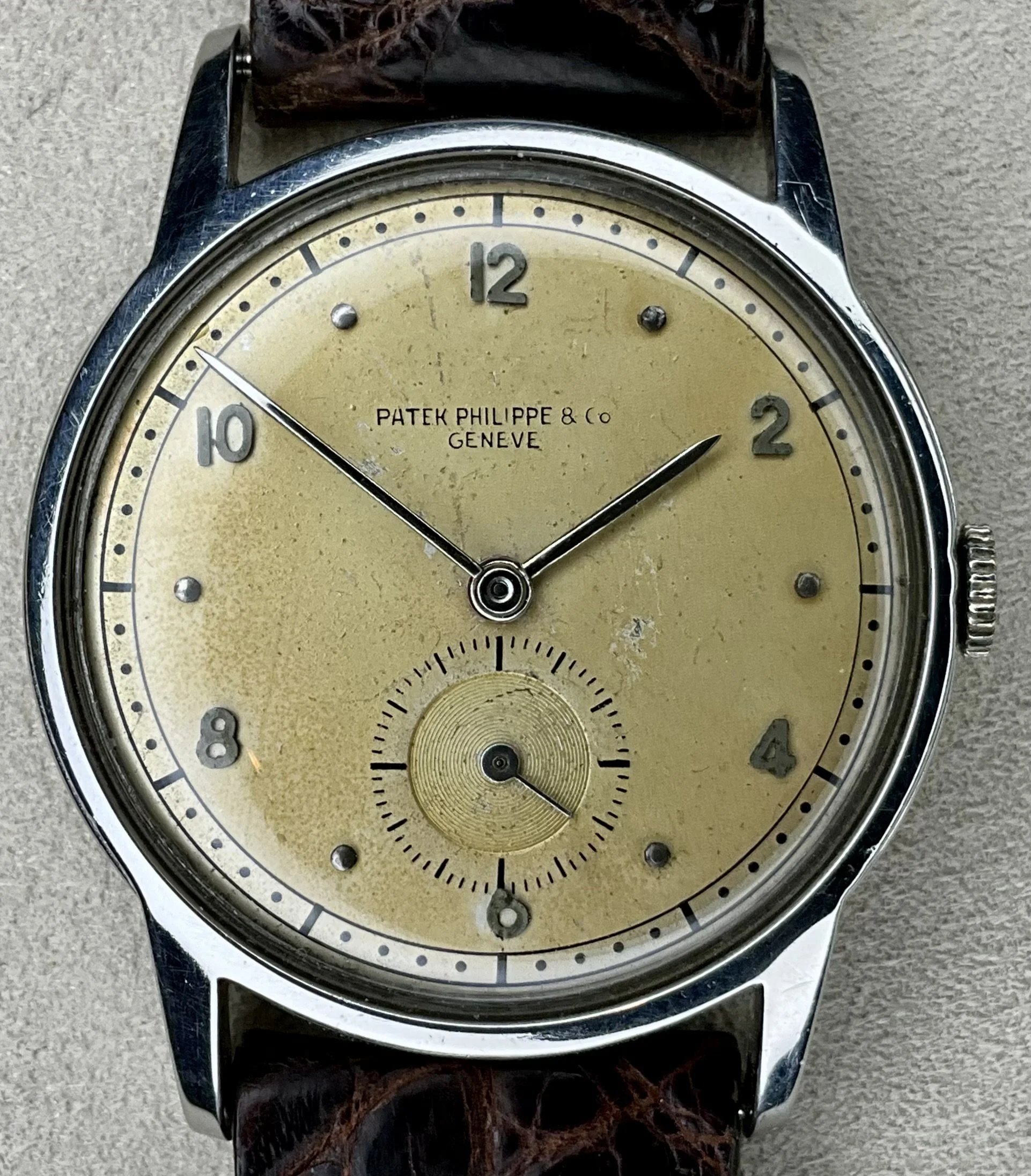
Collectors often place significant importance on originality. An untouched dial with honest wear may be preferable to a heavily restored dial. A case with signs of use may tell the story of the watch more honestly than an aggressively polished example.
This becomes especially important with vintage and antique watches where original components are difficult or impossible to replace. Once originality is removed, it cannot be recovered.
At the same time, not every inherited watch is destined for a collector’s vault. Sometimes the goal is simply to wear the watch again, preserve a family heirloom, or pass it on in stable condition to the next generation. Those are all equally valid reasons to preserve a watch.
The Risks Involved
It’s important to understand that all watch repair involves some degree of risk, particularly with antique and vintage pieces. Materials become brittle with age. Replacement parts may no longer exist. Previous repairs may have introduced faults or damage that only becomes apparent during disassembly.
The safest possible condition for any watch is untouched in a drawer. A watch cannot be damaged during repair if it is never sent out in the first place.
That does not mean restoration should be avoided. It means the decision should be made carefully and with realistic expectations.
While extremely rare, accidents do happen even in highly skilled hands. Before sending a watch anywhere for service or restoration, it is important to verify that the watchmaker or repair facility carries insurance covering damage resulting from workmanship or handling.
Equally important is choosing someone experienced specifically with vintage or antique watches. Many modern repair facilities are simply not equipped to deal with obsolete materials, worn movements, or historically important pieces.
The Cost of Restoration
One of the most misunderstood aspects of watch restoration is cost.
The value of a watch and the cost of repairing it are two completely separate things.
The market value of a watch is determined by collector demand, rarity, condition, originality, provenance, and broader market conditions. The cost of repair is determined almost entirely by the amount of skilled labor and fabrication required.
That distinction is important because antique and vintage watches often require enormous amounts of time.
A watch that has not operated in decades may require:
extensive cleaning
pivot repair
bushings
balance staff replacement
fabrication of worn, damaged, or missing components
jewel replacement
rust removal
correction of previous improper repairs
In many lower-quality antique watches with low jewel counts, wear to the pivot bearings is common, and at least one bushing may be required simply to restore basic functionality.
High-end Swiss watches can become expensive for different reasons. Parts may be unavailable, tolerances may be extremely fine, and the amount of labor required to preserve originality can increase significantly.
As a result, there is rarely a purely financial incentive to restore an inherited watch. In most situations, the cost of proper restoration exceeds any increase in market value the work may create.
That does not mean restoration is not worthwhile. It simply means the decision is usually personal rather than financial.
What Are Your Goals?
Before deciding whether to restore an inherited watch, it helps to ask a few questions:
Do you intend to wear the watch?
Is the goal preservation or cosmetic improvement?
Is the watch being considered for sale?
Is the watch important primarily for sentimental reasons?
Is historical accuracy important to you?
Do you want the watch documented for insurance or estate planning purposes?
Is this something intended to remain in the family long term?
The answers to those questions often determine the appropriate course of action.
In some situations, a basic service and careful preservation are the best choice. In others, a full restoration may be justified. Occasionally, the best decision is to leave the watch untouched and simply document its condition and history properly.
Documentation Matters
Even if restoration is never pursued, inherited watches benefit from proper documentation.
A condition report can preserve:
manufacturer information
serial numbers
movement details
inscriptions
hallmarks
known family history
restoration history
market context
Over time, this information is often lost as pieces move through generations.
For many families, the historical and personal context surrounding the watch ultimately becomes more important than the monetary value itself.
If you have inherited a watch and are unsure how to proceed, it may be worthwhile to consult with a specialist shop like Spring and Barrel to discuss your goals and document the piece properly before any decisions are made regarding service or restoration.